Skip to content

Acupuncture for PMDD Relief: A Root Cause Approach

Premenstrual Dysphoric Disorder (PMDD) is a severe form of PMS that can be truly debilitating for many women. While conventional medicine often falls short in addressing this complex condition, acupuncture offers a promising alternative approach.

woman suffering with PMDD or PMS

The Shortcomings of Conventional PMDD Treatments

Conventional medicine typically offers a limited toolbox for PMDD:

1. Birth control pills: These aim to regulate hormones but can come with side effects and don’t address underlying imbalances.  Many women don’t even realize they are not having a menstrual cycle at all while on the pill.  It works by suppressing ovulation, and the bleed that occurs when the placebo pill is taken is a withdrawal bleed not menstruation.

2. Antidepressants: While they may help mood symptoms, they don’t target the root cause and can have significant side effects.

These treatments often provide only partial relief and fail to address the complex interplay of factors contributing to PMDD. Many women are frustrated by this symptomatic approach that doesn’t resolve the core issues.

Acupuncture: Targeting the Root Cause

In contrast, acupuncture takes a holistic view of PMDD, seeking to identify and treat the underlying imbalances. Traditional Chinese Medicine (TCM) sees PMDD as a result of disrupted energy flow and organ system imbalances, particularly involving the liver, spleen, and kidneys.

How Acupuncture Addresses PMDD:

1. Liver Qi Stagnation: Many PMDD symptoms are attributed to stagnant liver energy. Acupuncture aims to smooth this flow, potentially alleviating irritability, breast tenderness, and emotional volatility.

2. Spleen Deficiency: A weak spleen usually creates weak digestion, which can lead to fatigue, bloating, and food cravings. Acupuncture points can strengthen spleen function to improve digestion.

3. Kidney Qi and Yang: Underlying many hormonal imbalances is what we call Kidney deficiency.  For long term relief and to help you feel more in control, less pain, and more yourself, the kidney energy may need to be addressed in treatment with acupuncture or often, with herbal medicine.

4. Blood Stasis: Acupuncture can promote healthy blood flow, which helps to relieve cramps and reduce clots.

By addressing these fundamental imbalances, acupuncture seeks to not just mask symptoms, but to restore overall harmony in the body. This approach may lead to more comprehensive and lasting relief.

What to Expect from Acupuncture Treatment

Unlike the quick-fix promise of a pill, acupuncture is a process:

Initial assessment: Your practitioner will conduct a thorough evaluation, considering your entire health picture, not just PMDD symptoms.
Individualized treatment: Points selected will be tailored to your specific imbalances.
Ongoing care: Regular treatments, often timed with your menstrual cycle, allow for adjustments and cumulative benefits.
Lifestyle guidance: While acupuncture is incredible, it’s not a be all fix all! Your acupuncturist may suggest dietary changes, stress management techniques, and herbs as part of your treatment plan.

While results can vary, many women report significant improvements in both physical and emotional PMDD symptoms over time. Importantly, these changes often feel more integrated and sustainable compared to the temporary relief of conventional treatments.


Is Acupuncture right for you?


For women frustrated by the limited options and side effects of conventional PMDD treatments, acupuncture offers a different paradigm. By seeking to correct underlying imbalances rather than just managing symptoms, our patients find through acupuncture therapy that symptoms become less severe, and they get pieces of their life back.  We all need our hormones, but our hormones don’t have to control our lives. Call us to discuss if this is right for you.

Posted in Acupuncture, What We Treat | Comments Off on Acupuncture for PMDD Relief: A Root Cause Approach

Acupuncture for Chemotherapy-Induced Peripheral Neuropathy

Helping people recover from cancer treatment

Chemotherapy-induced peripheral neuropathy (CIPN) affects up to 90% of cancer patients receiving certain chemotherapy agents, causing debilitating symptoms that can persist long after treatment ends. The burning, tingling, and numbness in hands and feet not only impacts daily functioning but significantly diminishes quality of life for cancer survivors. While conventional treatments often fall short, emerging research demonstrates that acupuncture offers genuine hope for both chemotherapy-induced and non-chemotherapy peripheral neuropathy.

The Growing Evidence Base

Recent comprehensive research has solidified acupuncture’s role as an effective treatment for CIPN. A 2024 meta-analysis published in Frontiers in Neurology systematically evaluated multiple studies and found compelling evidence for acupuncture’s efficacy in treating chemotherapy-induced peripheral neuropathy. The researchers concluded that acupuncture significantly improved symptoms compared to both conventional medications and sham treatments.

The Journal of Cancer Research and Clinical Oncology published equally promising findings in 2023, with their systematic review (2023; 149:15939-15955) demonstrating consistent benefits across multiple clinical trials. These studies revealed not only symptomatic improvement but also measurable changes in nerve conduction studies, suggesting actual nerve repair rather than mere symptom masking.

Another fascinating study compared acupuncture to gabapentin plus vitamin B1, which is realistic as to the treatment choices patients have.

The study results were remarkable. Patients receiving acupuncture showed significantly greater improvement in neuropathy symptoms, pain reduction, and functional capacity compared to those on gabapentin. Perhaps most importantly, the acupuncture group experienced these benefits without the side effects commonly associated with gabapentin, including dizziness, fatigue, and cognitive impairment.


How Acupuncture Helps Your Nerves Heal

Acupuncture works on multiple levels to address neuropathy:

Improved Blood Flow: The tiny stainless steel thin needles increase circulation to your hands and feet, bringing healing nutrients and oxygen to damaged nerves while clearing away inflammatory substances that prevent healing.

Nerve Regeneration: Acupuncture stimulates your body’s production of nerve growth factors—proteins that help damaged nerves repair themselves. Studies have actually measured improvements in nerve function after acupuncture treatment.  Acupuncture points are often located right alongside the nerves that have been damaged. 

Natural Pain Relief: The treatment activates your body’s own pain-relieving systems, providing lasting relief from the burning and shooting pains of neuropathy.  


Quality of Life Improvements: Beyond Symptom Relief

The benefits of acupuncture extend far beyond numerical improvements in pain scales. Studies consistently demonstrate significant enhancements in health-related quality of life measures. Patients report:

  • Improved sleep quality and duration
  • Enhanced ability to perform daily activities
  • Reduced anxiety and depression related to chronic symptoms
  • Better overall physical functioning
  • Return to doing the activities that create joy and happiness

A randomized clinical trial focusing specifically on quality-of-life outcomes found that breast cancer survivors receiving acupuncture showed marked improvements across multiple domains, with benefits persisting weeks after treatment completion.

Clinical Evidence Across Different Types of Neuropathy

While much research focuses on chemotherapy-induced neuropathy, acupuncture’s benefits extend to peripheral neuropathy from other causes. Clinical experience and emerging research demonstrate effectiveness for:

  • Diabetic peripheral neuropathy
  • Post-viral neuropathies
  • Idiopathic peripheral neuropathy
  • Medication-induced neuropathies from non-chemotherapy drugs

The underlying mechanisms remain consistent regardless of the initial cause of nerve damage, making acupuncture a versatile treatment option for various forms of peripheral neuropathy.


Treatment Plans and Expectations

Effective acupuncture treatment for CIPN typically involves consistency and open communication to individualize care.

Treatment Frequency: Most studies showing significant benefits used twice-weekly sessions for 6-8 weeks, followed by maintenance treatments as needed.  We find the same to be true in clinic, although some patients are able to reduce to once weekly after a few weeks.  As symptoms improve, treatments can be spaced further.

Timeline for Improvement: Many patients begin noticing improvements within 2-3 weeks, with optimal benefits typically achieved by 6-8 weeks of treatment.

Safety Profile: Acupuncture demonstrates an excellent safety profile with minimal side effects when performed by qualified practitioners.

Integration with Conventional Care

Acupuncture works synergistically with conventional medical care rather than replacing it. Many oncologists now recommend acupuncture as an adjunctive treatment, recognizing its ability to provide relief where conventional options have limitations. The absence of drug interactions makes acupuncture particularly valuable for cancer survivors who may be taking multiple medications.  It can usually be done in conjunction with chemotherapy treatments both on treatment and off weeks. 

The Path Forward

As an acupuncturist, it’s exciting for me to see the benefits clearly realized in scientific research, beyond just my own experience.  

For individuals struggling with CIPN or other forms of peripheral neuropathy, acupuncture offers a scientifically-supported path toward genuine healing. The combination of symptom relief, improved circulation, nerve repair promotion, and enhanced quality of life positions acupuncture as an essential component of comprehensive neuropathy care.

The journey from cancer treatment to full recovery need not be permanently shadowed by peripheral neuropathy. With acupuncture’s proven ability to promote healing and restore function, cancer survivors can reclaim their quality of life and move forward with confidence in their recovery.

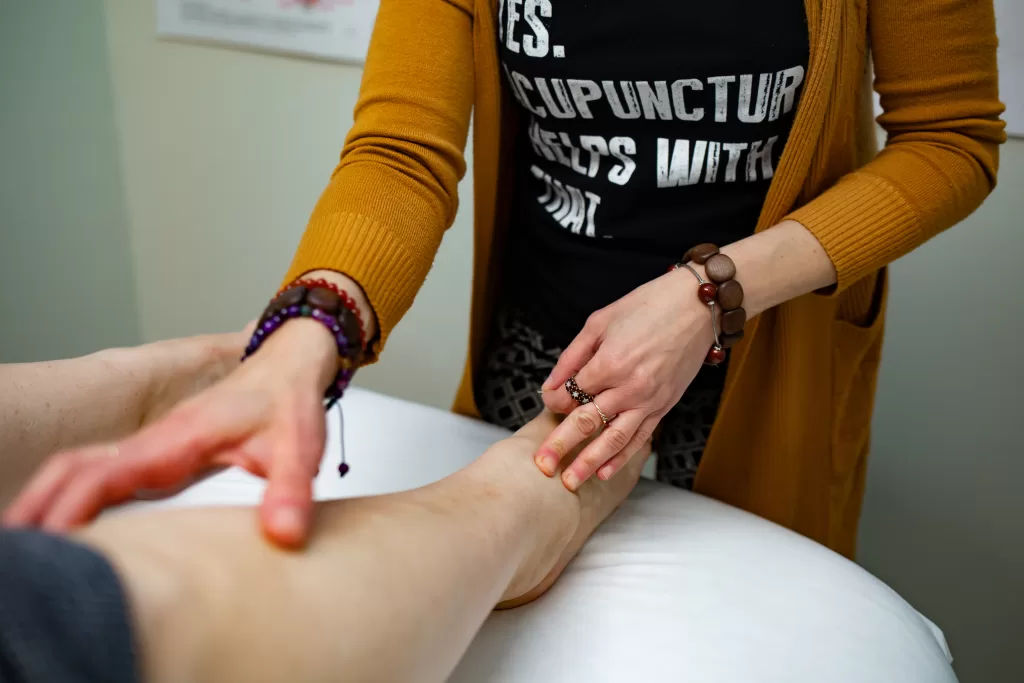
acupuncture for neuropathy
Posted in Tidbits | Comments Off on Acupuncture for Chemotherapy-Induced Peripheral Neuropathy

Soothing the Gut: Acupuncture and Chinese Herbal Medicine for IBS

Irritable Bowel Syndrome (IBS) is a common digestive disorder that can significantly impact quality of life. While Western medicine often struggles to provide comprehensive solutions, TCM offers a holistic approach that can bring balance and relief to those suffering from IBS.

Understanding IBS

IBS is characterized by chronic abdominal pain and altered bowel habits. There are three main types:

1. IBS-D (Diarrhea predominant)
2. IBS-C (Constipation predominant)
3. IBS-M (Mixed type, alternating between diarrhea and constipation)

Each type presents unique challenges, but with Traditional Chinese Medicine we focus on the root imbalances rather than just the symptoms to get relief for our patients.

How Acupuncture Helps IBS

By stimulating specific points on the body to regulate Qi (energy) flow and restore balance, here are some of the improvements we can effect:

1. Reduce abdominal pain and bloating
2. Regulate bowel movements
3. Decrease stress and anxiety, which often exacerbate IBS symptoms
4. Improve overall digestive function
5. Boost energy levels

Research has shown that acupuncture can be particularly effective in reducing IBS symptoms and improving quality of life.

Chinese Herbal Medicine for IBS

Chinese herbal medicine offers a personalized approach to treating IBS. Herbal formulas can:

1. Soothe and heal the digestive tract
2. Regulate bowel movements (addressing both diarrhea and constipation)
3. Reduce inflammation
4. Strengthen the digestive system
5. Support overall health and energy

Formulas are tailored to each individual’s specific symptoms and underlying imbalances.

Treating Different Types of IBS

IBS-D (Diarrhea predominant):
TCM often views this as an excess of “dampness” or “heat” in the intestines. Treatment focuses on draining dampness, clearing heat, and strengthening the Spleen (which in TCM governs digestion). Herbs like Atractylodes Rhizome (Bai Zhu) and Ginger Root (Gan Jiang) may be used in a customized formula, tailored to each person’s specific needs.

IBS-C (Constipation predominant):
This is often seen as a deficiency of Qi or Blood, or an excess of “dryness” in the intestines. Treatment aims to nourish Yin, moisten the intestines, and promote bowel movements. Herbs like Hemp Seed (Huo Ma Ren) and Magnolia Bark (Hou Po) might be included in formulas.

IBS-M (Mixed type):
For alternating symptoms, treatment focuses on harmonizing the Liver and Spleen, regulating Qi, and balancing the intestines. Formulas may include herbs that address both diarrhea and constipation, such as Tangerine Peel (Chen Pi) and Peony Root (Bai Shao).

Supporting IBD Symptom Management

While Inflammatory Bowel Disease (IBD) is a different condition from IBS, many patients with Crohn’s disease or ulcerative colitis find that acupuncture and Chinese herbs can help manage symptoms. TCM can:

1. Reduce inflammation in the digestive tract
2. Alleviate abdominal pain
3. Improve energy levels
4. Support regular bowel movements
5. Enhance overall well-being

The Holistic Approach for Longer Term Health Gains

What sets TCM apart is its holistic approach. We don’t just treat the gut; we look at how the entire body is functioning. This means addressing diet, stress, sleep, and other factors that influence digestive health.

Every patient’s experience with IBS is unique, which is why I create personalized treatment plans. By combining acupuncture, herbal medicine, dietary advice, and lifestyle recommendations, we can work together to bring your digestive system back into balance.

If you’re struggling with IBS or IBD symptoms and looking for a natural, comprehensive approach to healing, I invite you to explore how acupuncture and Chinese herbal medicine can help. Together, we can work towards a calmer, healthier gut and improved overall well-being.

family enjoying a picnic

Posted in Acupuncture | Comments Off on Soothing the Gut: Acupuncture and Chinese Herbal Medicine for IBS

Nurturing Fertility: The Power of Acupuncture and Herbal Medicine

As an acupuncturist and herbalist specializing in women’s health, I’ve witnessed the transformative power of Traditional Chinese Medicine (TCM) in supporting fertility. Whether you’re trying to conceive naturally or undergoing assisted reproductive therapies, acupuncture and herbal medicine offer a holistic approach to enhance your fertility journey.

The Mind-Body Connection in Fertility

Fertility is not just a physical process—it’s intimately connected to our mental and emotional well-being. Stress, anxiety, and other emotional factors can significantly impact hormone balance, ovulation, and overall reproductive health. This is where the mind-body approach of acupuncture and herbal medicine shines.

Acupuncture for Fertility

Acupuncture works by stimulating specific points on the body to regulate energy flow, or Qi. For fertility, this can help:

1. Balance hormones
2. Improve blood flow to the reproductive organs
3. Regulate menstrual cycles
4. Reduce stress and promote relaxation
5. Support implantation and prevent miscarriage

Research has shown that acupuncture can increase the success rates of IVF and other assisted reproductive technologies when used in conjunction with these treatments.

Herbal Medicine for Fertility

Chinese herbal medicine offers a personalized approach to fertility support. Herbs can:

1. Nourish the body and build vital energy
2. Regulate hormones
3. Improve egg and sperm quality
4. Support a healthy uterine lining
5. Address underlying imbalances affecting fertility

Complementing Assisted Reproductive Therapies

For those undergoing IVF, IUI, or other assisted reproductive therapies, acupuncture and herbal medicine can be valuable complements. They can help prepare the body for treatment, support the process, and potentially increase success rates. Always consult with your reproductive endocrinologist about incorporating these therapies into your treatment plan.

Natural Conception Support

For couples trying to conceive naturally, acupuncture and herbal medicine offer a gentle yet effective approach. By addressing any underlying imbalances and optimizing overall health, these therapies can enhance your body’s natural ability to conceive.

The Holistic Advantage

What sets acupuncture and herbal medicine apart is their holistic nature. Rather than focusing solely on fertility, we look at your overall health and well-being. This approach not only supports fertility but also promotes a healthy pregnancy and postpartum recovery.

Every fertility journey is unique, and that’s why I offer personalized treatment plans tailored to your specific needs and circumstances. Whether you’re just starting your fertility journey or looking for additional support, acupuncture and herbal medicine can provide the nurturing, balanced approach your body needs to thrive.

Remember, patience and self-compassion are crucial on this journey. Your body has innate wisdom, and sometimes it just needs a little support to find its natural balance.

If you’re interested in learning how acupuncture and herbal medicine can support your fertility journey, I invite you to schedule a consultation. Together, we can explore a holistic path to parenthood that honors your body and your dreams.

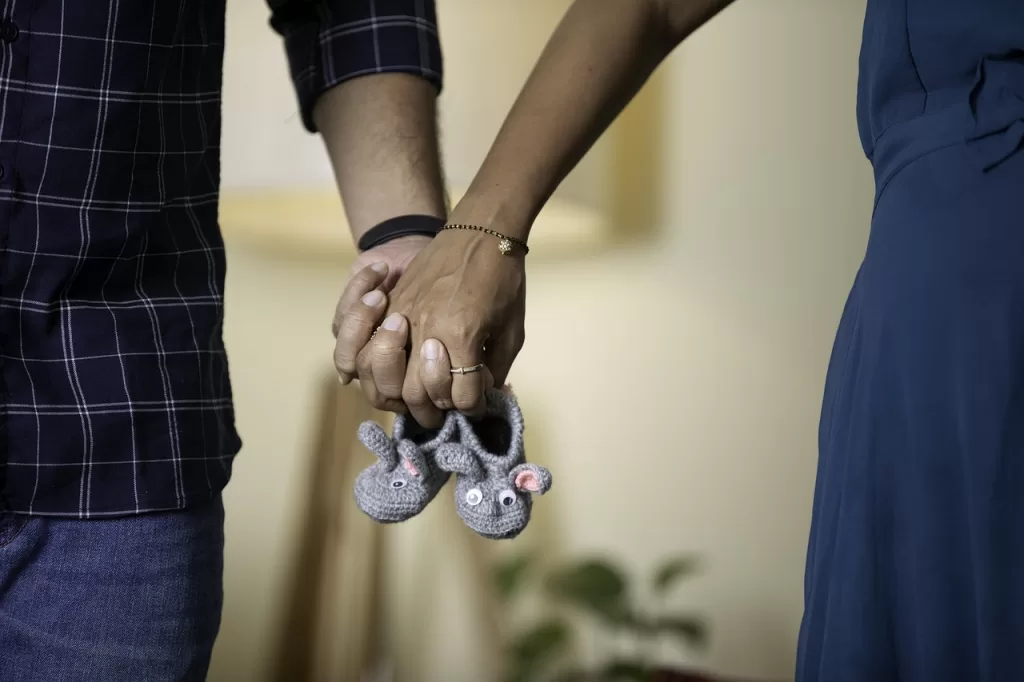
couple holding hands with booties

Posted in Uncategorized | Comments Off on Nurturing Fertility: The Power of Acupuncture and Herbal Medicine

5 Keys to the Best PCOS Diet

I don’t like the word diet – but it’s short for a way of eating.  Diet brings to mind fads, restrictions, and missing out.  But it doesn’t have to! The PCOS diet empowers you to take back control of your health, and not rely on doctors who are quite frankly decades behind the research which shows that what and how you eat definitely matters. Food is truly your best medicine!

PCOS is a condition associated with metabolic syndrome, and as such what you put in your mouth has a big impact.  Food can be inflammatory, and food can wreak havoc on your hormones unless you learn what to avoid and what to include. Read on for the Keys to a PCOS diet to help reverse this curable disease.  The basics are nutrient-dense whole foods, healthy fats, and plenty of protein for stabilizing blood sugar!

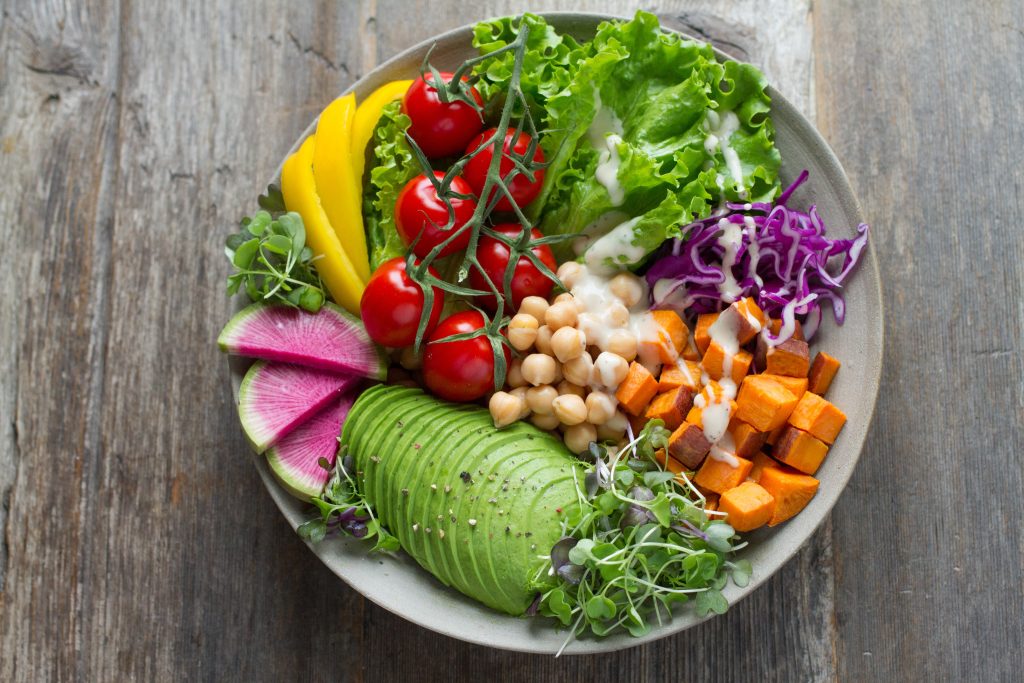
Healthy meals are key for PCOS


Sugar Cravings

As a metabolic disorder, a PCOS diagnosis means you likely have a blood sugar metabolism dysregulation.  This can affect everything from your weight to your mood to thinking and of course cravings.  Upping your protein and replacing refined sugars and refined carbs with whole grains, fresh fruits, and real veggies feeds your mind and body with natural fuel that it knows what to do with!

To reset your blood sugar regulation, you can schedule an appointment where we do an easy painless test and correction to make the big change of cutting out sugars a lot easier.


Gluten’s Gotta Go

Cutting out gluten is super important if you have PCOS, because it is definitely an inflammatory type of protein, and it’s mostly found in foods containing wheat, which are mostly either refined or at least full of pesticides and herbicides like the notorious glyphosate.  When you avoid gluten, you’re avoiding all kinds of processed and sweet foods that contribute to PCOS symptoms.


Veggies for the Victory

When you add dark green leafies to your meals, you’re giving your body what it needs to heal and help with hormone balancing and reducing inflammation . For breakfast, try softly scrambled eggs with avocado slices and steamed or sauteed chard or spinach. It’s quick and tastes great. Add sea salt or himalayan salt and fresh ground pepper to taste. Very nourishing and a great way to get in a good serving or two of your greens for the day. Other quick options for getting your veggies in through out the day can include salad, a veggie soup, and steamed or sauteed greens.


Finesse your Fats

Read labels on packaged foods and you’ll see safflower oil, soybean oil, corn oil, sunflower oil, vegetable oil, even cottonseed oil.   Guess what? All of these fats are heavily processed, which makes them foreign and unnatural to our immune system and intestinal mucosa.  HIstorically, humans ate foods high in Omega-3’s, and now our processed diets have a too-high amount of Omega-6 fatty acids. This creates inflammation in the body.  Grass-fed, pasture raised animals also will have a healthier natural types of fatty acids whereas industrial, conventionally raised livestock and poultry will have less healthy omega-3 and more of the inflammatory Omega-6’s.


Prioritize Protein

Eating sufficient amounts of protein, throughout the day, stabilizes blood sugar, whereas carbohydrates destabilize.  When grains are limited and healthy natural proteins are emphasized we can help regulate blood sugar so we don’t get spikes and dips which is stressful for the body.


Support For PCOS

Acupuncture, Lifestyle changes, and Nutritional and Diet changes create an effective treatment plan for reversing or addressing the symptoms of PCOS including infertility.  So don’t lose hope! Seek out a holistic provider to help guide you to better health! Contact Amy at Energy Flow to schedule your free complimentary discovery call 630-335-1069.

Posted in My Thoughts, What We Treat | Comments Off on 5 Keys to the Best PCOS Diet
630-335-1069 Directions Contact/Schedule