What We Treat
Acupuncture for PMDD Relief: A Root Cause Approach
Premenstrual Dysphoric Disorder (PMDD) is a severe form of PMS that can be truly debilitating for many women. While conventional medicine often falls short in addressing this complex condition, acupuncture offers a promising alternative approach.

The Shortcomings of Conventional PMDD Treatments
Conventional medicine typically offers a limited toolbox for PMDD:
1. Birth control pills: These aim to regulate hormones but can come with side effects and don’t address underlying imbalances. Many women don’t even realize they are not having a menstrual cycle at all while on the pill. It works by suppressing ovulation, and the bleed that occurs when the placebo pill is taken is a withdrawal bleed not menstruation.
2. Antidepressants: While they may help mood symptoms, they don’t target the root cause and can have significant side effects.
These treatments often provide only partial relief and fail to address the complex interplay of factors contributing to PMDD. Many women are frustrated by this symptomatic approach that doesn’t resolve the core issues.
Acupuncture: Targeting the Root Cause
In contrast, acupuncture takes a holistic view of PMDD, seeking to identify and treat the underlying imbalances. Traditional Chinese Medicine (TCM) sees PMDD as a result of disrupted energy flow and organ system imbalances, particularly involving the liver, spleen, and kidneys.
How Acupuncture Addresses PMDD:
1. Liver Qi Stagnation: Many PMDD symptoms are attributed to stagnant liver energy. Acupuncture aims to smooth this flow, potentially alleviating irritability, breast tenderness, and emotional volatility.
2. Spleen Deficiency: A weak spleen usually creates weak digestion, which can lead to fatigue, bloating, and food cravings. Acupuncture points can strengthen spleen function to improve digestion.
3. Kidney Qi and Yang: Underlying many hormonal imbalances is what we call Kidney deficiency. For long term relief and to help you feel more in control, less pain, and more yourself, the kidney energy may need to be addressed in treatment with acupuncture or often, with herbal medicine.
4. Blood Stasis: Acupuncture can promote healthy blood flow, which helps to relieve cramps and reduce clots.
By addressing these fundamental imbalances, acupuncture seeks to not just mask symptoms, but to restore overall harmony in the body. This approach may lead to more comprehensive and lasting relief.
What to Expect from Acupuncture Treatment
Unlike the quick-fix promise of a pill, acupuncture is a process:
– Initial assessment: Your practitioner will conduct a thorough evaluation, considering your entire health picture, not just PMDD symptoms.
– Individualized treatment: Points selected will be tailored to your specific imbalances.
– Ongoing care: Regular treatments, often timed with your menstrual cycle, allow for adjustments and cumulative benefits.
– Lifestyle guidance: While acupuncture is incredible, it’s not a be all fix all! Your acupuncturist may suggest dietary changes, stress management techniques, and herbs as part of your treatment plan.
While results can vary, many women report significant improvements in both physical and emotional PMDD symptoms over time. Importantly, these changes often feel more integrated and sustainable compared to the temporary relief of conventional treatments.
Is Acupuncture right for you?
For women frustrated by the limited options and side effects of conventional PMDD treatments, acupuncture offers a different paradigm. By seeking to correct underlying imbalances rather than just managing symptoms, our patients find through acupuncture therapy that symptoms become less severe, and they get pieces of their life back. We all need our hormones, but our hormones don’t have to control our lives. Call us to discuss if this is right for you.
5 Keys to the Best PCOS Diet
I don’t like the word diet – but it’s short for a way of eating. Diet brings to mind fads, restrictions, and missing out. But it doesn’t have to! The PCOS diet empowers you to take back control of your health, and not rely on doctors who are quite frankly decades behind the research which shows that what and how you eat definitely matters. Food is truly your best medicine!
PCOS is a condition associated with metabolic syndrome, and as such what you put in your mouth has a big impact. Food can be inflammatory, and food can wreak havoc on your hormones unless you learn what to avoid and what to include. Read on for the Keys to a PCOS diet to help reverse this curable disease. The basics are nutrient-dense whole foods, healthy fats, and plenty of protein for stabilizing blood sugar!
Sugar Cravings
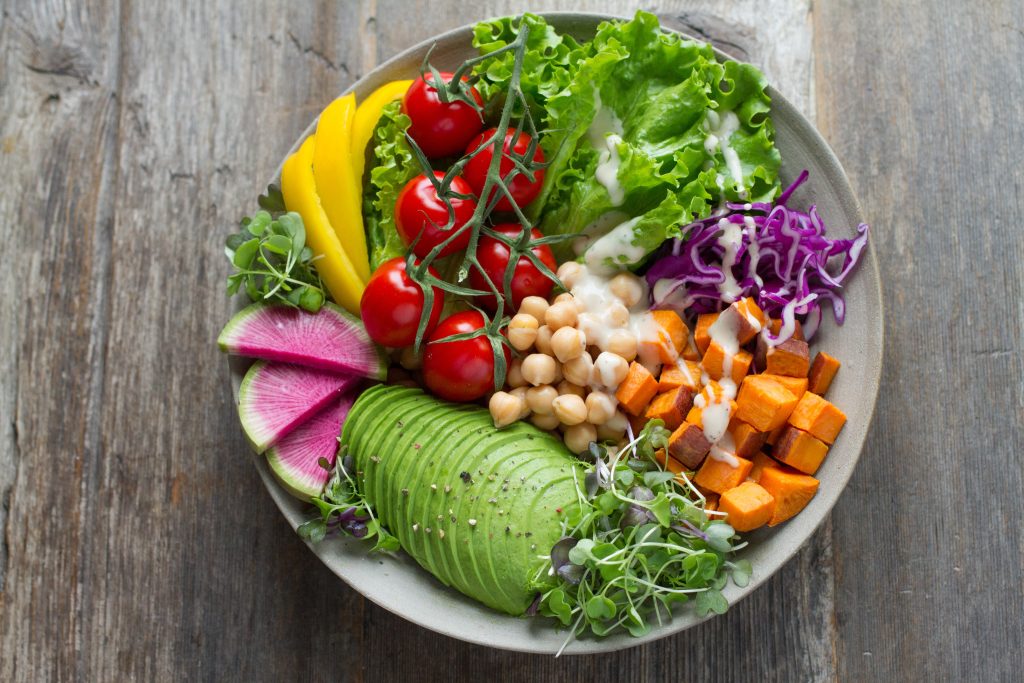
As a metabolic disorder, a PCOS diagnosis means you likely have a blood sugar metabolism dysregulation. This can affect everything from your weight to your mood to thinking and of course cravings. Upping your protein and replacing refined sugars and refined carbs with whole grains, fresh fruits, and real veggies feeds your mind and body with natural fuel that it knows what to do with!
To reset your blood sugar regulation, you can schedule an appointment where we do an easy painless test and correction to make the big change of cutting out sugars a lot easier.
Gluten’s Gotta Go
Cutting out gluten is super important if you have PCOS, because it is definitely an inflammatory type of protein, and it’s mostly found in foods containing wheat, which are mostly either refined or at least full of pesticides and herbicides like the notorious glyphosate. When you avoid gluten, you’re avoiding all kinds of processed and sweet foods that contribute to PCOS symptoms.
Veggies for the Victory
When you add dark green leafies to your meals, you’re giving your body what it needs to heal and help with hormone balancing and reducing inflammation . For breakfast, try softly scrambled eggs with avocado slices and steamed or sauteed chard or spinach. It’s quick and tastes great. Add sea salt or himalayan salt and fresh ground pepper to taste. Very nourishing and a great way to get in a good serving or two of your greens for the day. Other quick options for getting your veggies in through out the day can include salad, a veggie soup, and steamed or sauteed greens.
Finesse your Fats
Read labels on packaged foods and you’ll see safflower oil, soybean oil, corn oil, sunflower oil, vegetable oil, even cottonseed oil. Guess what? All of these fats are heavily processed, which makes them foreign and unnatural to our immune system and intestinal mucosa. HIstorically, humans ate foods high in Omega-3’s, and now our processed diets have a too-high amount of Omega-6 fatty acids. This creates inflammation in the body. Grass-fed, pasture raised animals also will have a healthier natural types of fatty acids whereas industrial, conventionally raised livestock and poultry will have less healthy omega-3 and more of the inflammatory Omega-6’s.
Prioritize Protein
Eating sufficient amounts of protein, throughout the day, stabilizes blood sugar, whereas carbohydrates destabilize. When grains are limited and healthy natural proteins are emphasized we can help regulate blood sugar so we don’t get spikes and dips which is stressful for the body.
Support For PCOS
Acupuncture, Lifestyle changes, and Nutritional and Diet changes create an effective treatment plan for reversing or addressing the symptoms of PCOS including infertility. So don’t lose hope! Seek out a holistic provider to help guide you to better health! Contact Amy at Energy Flow to schedule your free complimentary discovery call 630-335-1069.
Thyroid Health – Signs and Symptoms of Lowered Functioning
It’s a good thing that the thyroid has been getting more attention in general lately. For too long it has been overlooked and misdiagnosed. While medication is sometimes needed to manage a poorly functioning thyroid, and is used to replace a missing thyroid, Chinese Medicine also treats the symptoms of thyroid dysfunction and can help boost functioning naturally.
When Your Thyroid Function is Low
I want to share with you a list of symptoms that may indicate a problem with your thyroid. While there are two main problems that can occur with the thyroid – hypo-functioning aka Hypothyroidism, and hyper-functioning aka Hyperthyroidism, in this article we will focus on hypothyroidism and it’s most common form which is Hashimoto’s Thyroiditis.
Untreated Hashimoto’s and hypothyroidism can cause:
- Fatigue and exhaustion
- Weight gain, and with it increased risk of obesity, diabetes, and heart disease
- High cholesterol due to the role of the thyroid in fat metabolism
- Depression – as many as 15% of women on antidepressants have an undetected thyroid problem as the cause of their depression – but their thyroid problem hasn’t been diagnosed so they are being misdiagnosed and mistreated. That’s one reason that antidepressants don’t help a subset of women.
- Anxiety also often accompanies thyroid problems.
- Decreased cognitive function – aka brain fog – the thyroid is responsible for helping us maintain brain health, and even slight thyroid dysfunction can impair memory and concentration. Studies of women in their 60s have shown that even marginally slow thyroid function can cause dementia-like symptoms, and that treatment can dramatically improve cognitive function and have a brain-protective effect.
- Increased risk of cardiac arrhythmias and congestive heart failure due to the regulatory control of the thyroid on heart rate and rhythm.
- Difficulty adapting body temperature – feel cold all the time? Could be a sign that the thyroid is not working optimally since one of its jobs is to regulate body temperature.
What Should You Do if You Suspect a Thyroid Problem?
- I recommend ordering a complete Thyroid Blood Panel that includes:
TSH
Free T4
Free T3
Reverse T3
TPO Antibodies
TG Antibodies
This gives a broader picture of thyroid and pituitary function and if there’s an autoimmune aspect. A knowledgeable functional medicine doctor or holistic endocrinologist can interpret the lab test results.
2. Try a gluten free, soy free, dairy free diet for at least 1 month. Studies have found that these three proteins cross-react with thyroid tissue, which means your immune system gets activated when you eat those proteins and also attacks the thyroid tissue.
3. Get out of sleep deficit! Your body needs to rest deeply in order to repair and restore. If you are not getting quality sleep or enough for your personal needs, you are constantly digging yourself deeper. Make sleep a priority.
4 . Cut back on caffeine – too much caffeine can increase cortisol and upset your hormonal balance even more than without it, and this in turn affects the thyroid.
5. Add holistic healthcare to your health maintenance plan! Acupuncture is very valuable in helping your body get out of stress overload and into healing mode.
Acupuncture & Herbal Medicine for Thyroid Health and Healing
In my practice, I’m often helping women on thyroid medication or those who haven’t yet started medication with many of the symptoms listed above. When we’re talking about hormones, including those made by the thyroid and pituitary, which is the gland that stimulates and regulates the thyroid, we’re talking about subtle energies that control metabolism and many major functions including our mental health. Sometimes we need to address that subtle energetic layer, in addition to the chemical layer that the replacement hormones address.
Herbal therapy and acupuncture help hypothyroid by:
- Reducing Inflammation
- Promoting natural healing hormone release
- Allowing the body to heal itself by releasing blocked energy
- Boosting your body’s own natural energy production
- Calming the entire nervous system
- Balancing your body’s hormonal chemistry
- Regulate body temperature
Call us today to start healing your thyroid, balancing your endocrine system, and feel more like yourself! 630-335-1069
Response to the Pandemic – Now Offering Telemedicine
My Dear Community, these times are trying, and I want you to know I’m here to support you!
Remaining Open for In-Person Visits
After much study, meditation, and thinking, I have decided to remain open to serve the community’s ongoing health needs, both mental and physical – as I consider myself first and foremost a Mind-Body Healthcare Provider. I have the tools needed to reduce the effects of this respiratory illness and for the stress that it is heightened.
Repeating CDC Guidelines for your safety and community safety
Anyone with a fever above 99.0, a cough, shortness of breath, and/or intense body pains, please STAY HOME IN BED or ON THE COUCH and call or text me 630-335-1069. I am trained in herbal medicine to treat these symptoms, and I can do so via video conferencing.
I also am NOT open for those who may have been exposed to the virus, and please follow CDC guidelines if you are immune compromised or over age 65.
Precautions
I am following all CDC recommendations for making my clinic safe – sanitizing all touch surfaces including my phone and laptop before and after each patient visit, and changing all bedding each patient visit and copious hand washing. I am also limiting all contact outside of clinic, staying home and limiting visits to stores. *Taking Social Distancing Seriously*
The Future is Here – Now Offering Telemedicine
I am offering consultations via a secure video conferencing platform that is easy to use and will allow us to talk to each other without meeting in person! This is available to anyone and I especially encourage you to schedule an online consultation with me to address high anxiety, panic, respiratory issues, or to address immunity boosting. Herbal prescriptions and supplements can be mailed to you or arranged for pickup from Estuary Center.
Here is a link to schedule a virtual consultation at the introductory fee of $75 for 30 minutes for existing patients, and here’s the link for a new patient consultation for 60 minutes.
How to approach and navigate Menopause naturally
Menopause.
What comes to mind when you see this word? It has a lot of connotation doesn’t it? I think for many women, it conjures up horror stories from their moms and aunts about hot flashes and insomnia. But I want to turn the tables and make this time of life less dreadful and more embraceable!
What really is menopause? What does it mean biologically?
According to Chinese Medicine, changes occur every seven years, with menstruation beginning at an average of 2×7 years, and at 7×7 years is the average time when the menstrual cycle ceases and our fertility ends. In medical terms, menopause is the result of a natural decline of our two main sex hormones, progesterone and estrogen.
Of course this is general, and we now know that changes to our hormones can begin years before we’re officially in menopause, which is counted from 1 year after the last period. This leading up time is called perimenopause. Usually in our mid to late forties, the menstrual cycle can change. For many women, this time is not smooth sailing.
What are symptoms of Perimenopause?
During this time in the few years leading up to menopause, women may experience any of the following:
- The menstrual cycle gets shorter, longer, lighter, or heavier, and you can no longer set your clock by them if you could before.
- Sleep patterns are disrupted, sometimes characterized by waking up too early in the morning with difficulty falling back to sleep.
- Decreased libido
- Unexplained weight gain especially around your middle.
- Overall feeling warmer, often with flushes of heat, which are random and intense
- Night sweats
- Vaginal dryness
- Mood changes such as increased anxiousness or irritability
These symptoms can arise because our reproductive hormones progesterone and estrogen impact so many functions. Especially estrogen, as it is a major hormone in the body.
“What can I do about it? I don’t want all that awful stuff to happen to me!”
Yes, do something about it, exactly! You can do many things on your own to improve the transition into the wisdom years as I like to think of it.
This is when lifestyle, dietary, and therapeutic interventions or changes can really make a difference. And starting years before menopause is your best bet. If you are already experiencing symptoms or cycle changes, don’t worry because acupuncture and herbal medicine work great for most of these issues.
Positive Results I’ve seen with acupuncture and or herbal therapy for my patients includes:
Better energy
Better sleep
Better vaginal lubrication
Better mood
Reduction and elimination of hot flashes and night sweats
Improved libido
More comfortable menstrual cycles – less heavy bleeding and less pain.
How do acupuncture and herbs help menopausal symptoms?
Chinese Medicine works by balancing the hormones, which it does by helping regulate the flow of blood and nerve conduction throughout the body. Chinese Medicine is based on the principle of Qi, which is energy that flows in invisible channels throughout the body. Hormonal imbalances occur when there are blockages in these pathways, which disrupts our bodies’ normal processes.

What Else can I do to help balance my hormones?
- Reduce Toxic Burden — All the toxins in our homes, food, the air around us most definitely messes with our hormonal balance. There is plenty of research. What can you do? Reducing your contact with plastics is a biggie. Stop buying disposable water bottles if you can help it. Even the plastic lids on disposable coffee cups can leach chemicals. Switching to non-toxic containers such as glass or silicone is worth it. What are you putting on your skin? Lotions, sunblocks and makeup seep into our blood stream, so know what is in your products. This article gives the top ten to avoid.
- Reduce Alcohol Intake — the number one substance people ingest that will have a negative impact on their hormones is alcohol. Of course a small amount is ok for most women, but some people are more sensitive. It is a good idea to pay attention to how you feel after consuming alcohol.
- Stress Reduction!! — By all means available to you! Stress taxes the adrenal glands, and the adrenal glands are key for producing post-menopausal estrogen. There are several ways to check your stress response. Of course #1 is getting enough sleep. If you already are experiencing sleep issues then it definitely needs to be addressed. This can include no screens at least 1 hour before bed, and I really like this product for deepening sleep. It is natural and gentle, and does not require a prescription. Acupuncture is one of the most effective and deepest working ways we can improve our sleep. It works at an energetic and holistic level to restore our body’s natural cortisol levels.
- Just Eat Real Food (JERF) — This means don’t eat packaged foods with ingredients you can’t buy in a grocery store. It also means focusing on whole foods – fruits, vegetables, some whole grains if tolerated, organic grass-fed meats and dairy if tolerated. The quality of the life of the animals and animal products you consume directly impacts your own health. If an animal was confined, fed GMO corn and soy and fillers, and was over-treated with antibiotics, then this is what you are putting into your body. We should be conscious of the source of our food.
- Protect your Sleep – Our hormones get even more out of whack if we are sleep deprived, because the adrenals have to produce more cortisol the more we’re awake and the circadian rhythm is disturbed. This means less sex hormones can be produced, thus worsening symptoms.
The mid-forties to early fifties is a time of change and transition for women. But it does not have to be dreaded. Let’s celebrate all we’ve accomplished in the first half of our lives, and give ourselves the best beginning of the latter half. Please call/text me at 630-335-1069 to learn more, or to schedule an appointment to get your balance back!
